Custom CNC Machining Services for High-Precision Parts Manufacturing
Share
Executive summary: 2025 outlook and why precision CNC machining matters to South Africa’s mining, steel, and automotive sectors
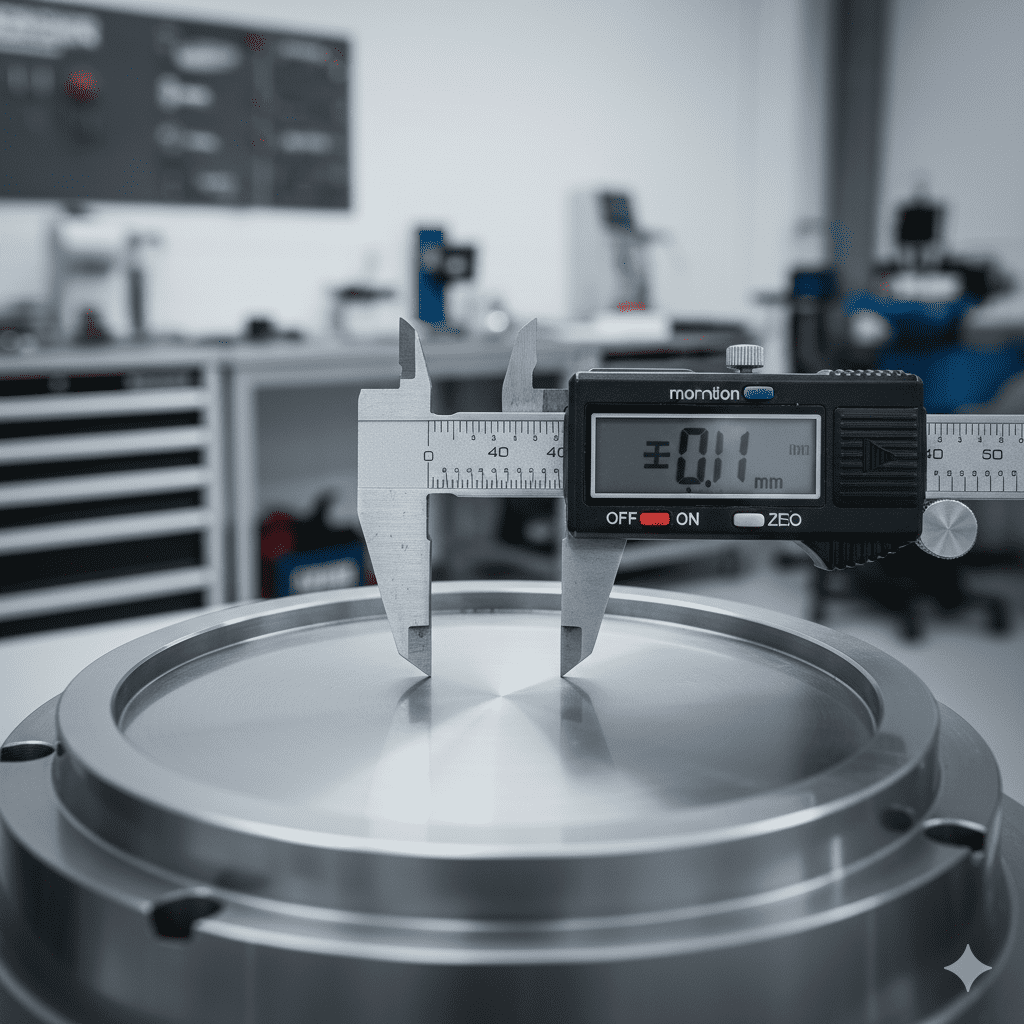
South Africa’s industrial base is entering 2025 with a clear mandate: produce more value with fewer disruptions, shorter lead times, and tighter quality assurance. Load-shedding risks remain a planning variable, input prices are volatile, and export competitiveness hinges on consistency, documentation, and compliance. Within this context, custom CNC machining has become a strategic lever. High-precision parts reduce downstream scrap, assembly time, and in-field failures, while digital traceability supports ISO 9001, IATF 16949, and local customer audits.
Sicarbtech — Silicon Carbide Solutions Expert, headquartered in Weifang City, China’s silicon carbide manufacturing hub and a member of the Chinese Academy of Sciences (Weifang) Innovation Park — brings more than 10 years of customization experience and full-cycle solutions from material processing to finished components. Although globally recognized for advanced silicon carbide (R-SiC, SSiC, RBSiC, SiSiC), Sicarbtech also delivers export-ready custom CNC machining services for high-precision parts manufacturing, serving South African mining equipment makers, steel mills, and Tier-1/Tier-2 automotive suppliers.
By integrating advanced material expertise with CNC turning, milling, and grinding, the company bridges material science and precision manufacturing, resulting in parts that last longer, perform more reliably, and meet strict documentation requirements for both domestic use and cross-border trade within SADC and global markets.
Moreover, as 2025 procurement cycles emphasize dual-sourcing and resilience, buyers increasingly prefer partners who combine engineering support, robust PPAP documentation, and flexible batch sizes. Sicarbtech’s model — spanning design-for-manufacture support, rapid prototyping, production scaling, and technology transfer for local fabrication — aligns with South Africa’s push to localize value chains, reduce maintenance backlogs, and strengthen export competitiveness.
Industry challenges and pain points: what South African manufacturers are solving for in 2025
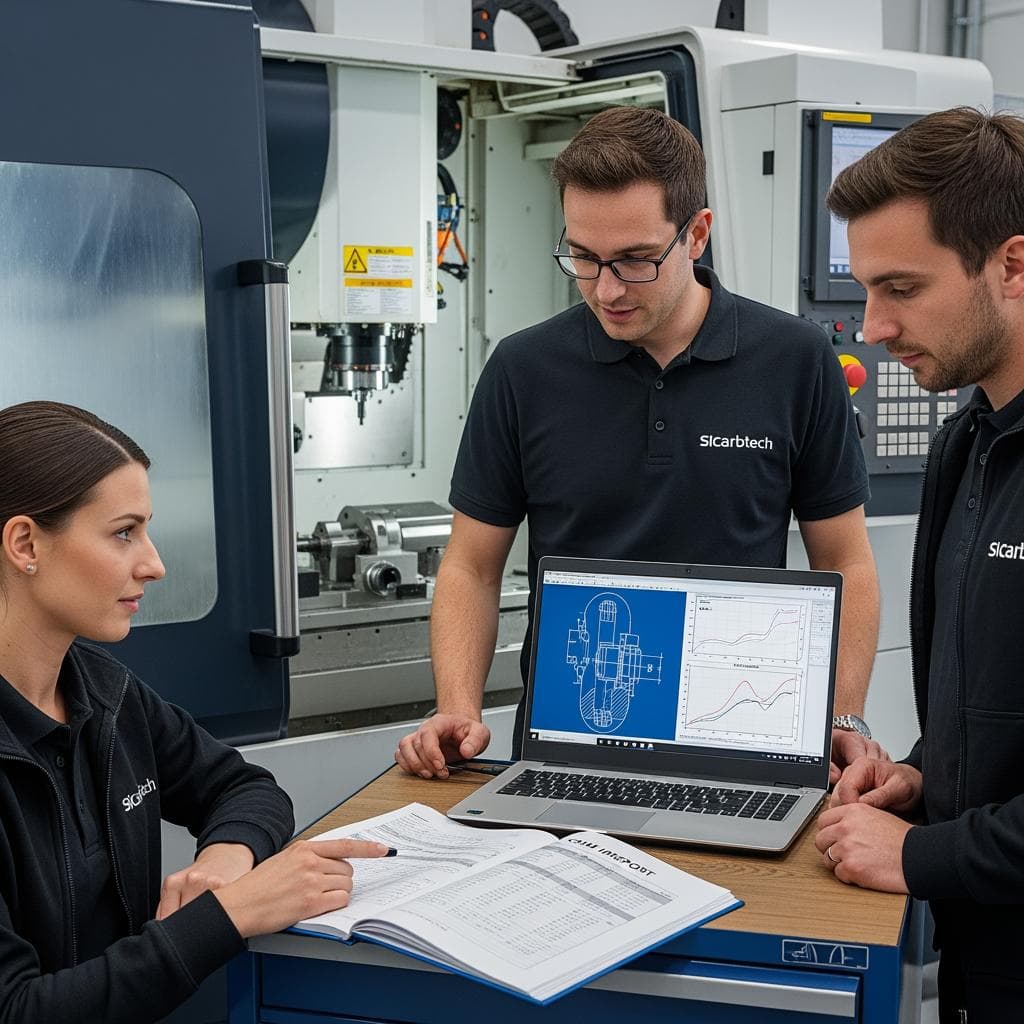
South African industries face a cluster of practical constraints that ripple through planning and operations. In mining, abrasive environments punish components that were not engineered for slurry, dust, and impact, causing unplanned downtime that can cost hundreds of thousands of rand per hour. Steel producers contend with high-temperature, scale-laden processes that demand precision parts capable of withstanding thermal shock and oxidation, or else risk line stoppages and yield losses. Automotive suppliers, meanwhile, must balance capital productivity with stricter tolerances from global OEMs, all while accommodating engineering changes that can arrive late in the program.
Additionally, power instability imposes unique scheduling and process-control challenges. Skilled labor availability for advanced five-axis and tight-tolerance work is uneven, creating bottlenecks when complex parts require rework. Tooling costs have climbed with currency fluctuations, and quality failures can quickly cascade into missed delivery windows and chargebacks. Compliance is another layer: IATF 16949 in automotive, ISO 3834 for welding-related assemblies, ISO 14001 for environmental management, and increasingly rigorous health and safety audits under the Occupational Health and Safety Act. The implication is clear — parts must arrive right-first-time, with full traceability, dimensional reports, material certificates, and process capability evidence.
“Precision is not just about microns; it’s about predictability across the lifecycle,” notes a senior manufacturing auditor quoted by the South African Automotive Masterplan community updates, adding that consistent Cp/Cpk and PPAP documentation are now baseline expectations rather than differentiators (see industry commentary in NAACAM and dtic program notes). Furthermore, SABS and NRCS compliance requirements have sharpened documentation needs for imported components, requiring technical files, test reports, and conformity marks where applicable.
In mining rebuild programs across Mpumalanga and the Northern Cape, maintenance planners report that a lack of interchangeable, dimensionally stable parts increases MTTR and inventory complexity. By contrast, precision CNC machining with stable revision control reduces changeover time and inventory carrying cost. In the steel value chain, roller components, wear rings, and precision fittings must maintain geometry at temperature, otherwise line speed suffers and scrap rates rise. Automotive suppliers require robust control plans and machining strategies tailored to each feature, especially on critical-to-quality dimensions tied to safety and NVH targets.
Cost implications extend beyond unit price. When a machined housing causes a seal to misalign by a fraction of a millimeter, the downstream cost can manifest as premature wear, warranty claims, and production rebalancing. In export logistics, missed inspection windows due to incomplete dimensional reports or material traceability can delay shipments and erode customer trust. Altogether, South African buyers are seeking CNC partners who marry process discipline with material expertise, enabling durable, compliant parts delivered on time with full documentation.
Sicarbtech advanced CNC machining solutions portfolio for South Africa
Building on more than a decade of high-precision manufacturing, Sicarbtech offers a portfolio designed around real-world South African conditions. The core is custom CNC turning and milling that accommodates alloys, stainless steels, tool steels, aluminum, and engineered ceramics including advanced silicon carbide for wear-critical environments. Rather than presenting generic capability lists, Sicarbtech applies application engineering early in the design cycle, translating load cases, temperature profiles, and abrasive media into geometry, tolerances, and surface finish strategies that survive field conditions.
For mining OEMs and maintenance facilities, Sicarbtech machines bearing seats, pump housings, impellers, bushings, wear plates, and slurry line components. When abrasive slurries or dust are dominant failure modes, the team can integrate R-SiC, SSiC, RBSiC, or SiSiC inserts and coatings into metal assemblies, balancing machinability with extreme wear resistance. In steel mills, precision rollers, guide components, nozzles, and furnace-adjacent fixtures benefit from controlled runout, tight concentricity, and material pairings that minimize galling at temperature. Automotive customers receive PPAP-ready components with full dimensional reports, MSA, and SPC evidence where required, supported by process capability targets tied to the OEM’s drawing requirements.
Additionally, Sicarbtech supports low-volume, high-mix production common in maintenance environments, as well as scalable runs for export programs. Technology transfer is available for customers who intend to localize manufacturing, including process documentation, equipment specifications, operator training, and QC frameworks calibrated to SABS and international norms. The result is a tailored, end-to-end approach that compresses lead times and elevates first-pass yield, with Sicarbtech coordinating from initial DFM to finished part delivery and, when needed, on-site ramp-up support.
Performance comparison: CNC machining outcomes versus traditional fabrication methods
| Comparative performance for precision parts in South African industry | CNC machining (Sicarbtech optimized) | Traditional fabrication (manual machining/fitting) | Operational impact in SA context |
|---|---|---|---|
| Dimensional accuracy on critical features | ±0.005–0.02 mm depending on feature and material | ±0.05–0.2 mm typical | Fewer assembly issues and faster MTTR in mines and mills |
| Surface finish on sealing/bearing interfaces | Ra 0.4–1.6 μm achievable | Ra 1.6–3.2 μm typical | Longer seal life, reduced leaks in slurry/ hydraulic systems |
| Repeatability across batches | High, with SPC and tool life control | Variable, operator dependent | Stable exports and fewer rejects under NRCS/SABS inspection |
| Lead time consistency | High with digital scheduling and CAM | Vulnerable to rework and skill bottlenecks | Predictable delivery despite load-shedding scheduling |
| Documentation (PPAP, CoC, material certs) | Standardized and digital | Often manual or incomplete | Faster customs clearance and customer acceptance |
| Lifecycle cost of ownership | Lower through reduced failures and scrap | Higher due to rework and downtime | Better TCO for fleet-heavy mining operations |
Real-world applications and success stories in South Africa
A mining services contractor in the Northern Cape faced recurring failures in slurry pump components, with cavitation and abrasive wear causing unscheduled stops every six weeks. Sicarbtech redesigned the critical wear ring interface and machined housings to tighter concentricity, while integrating a SiSiC insert on the highest wear surface. The result extended service intervals to twelve weeks, halving maintenance frequency and reducing annual downtime by more than 400 hours across the contractor’s fleet. The contractor was then able to rebalance spares inventory, freeing working capital.
In a Gauteng-based steel processing plant, guide rollers suffered from dimensional drift at temperature, increasing scrap during high-throughput runs. After a joint DFM workshop, Sicarbtech produced rollers with improved runout control, machined reliefs for thermal expansion, and a surface finish strategy to reduce pickup. Post-implementation, the plant recorded a 1.8% yield improvement and fewer stoppages attributed to roller misalignment.
Automotive suppliers in KwaZulu-Natal reported smoother PPAP cycles using Sicarbtech’s documentation package, which includes ballooned drawings, FAIRs, capability studies, and full traceability to heat numbers. This accelerated SOP dates and reduced the risk of last-minute containment plans.
Furthermore, distributors serving the West Rand and Port Elizabeth leveraged Sicarbtech’s mixed-batch agility to support maintenance campaigns, supplying precision parts in coordinated kits rather than piecemeal deliveries. This bundling approach reduced missing-part incidents and shortened on-site job time.
Technical advantages and implementation benefits with South African compliance alignment
Sicarbtech’s competitive edge lies in process control fused with materials expertise. Toolpath strategies are tuned for heat management and chip evacuation, particularly on stainless and tool steels common in mining and steel plants. For sealing interfaces, controlled feed and speed regimes reduce chatter and micro-burrs, achieving Ra values that improve O-ring and mechanical seal performance. When the duty cycle demands elevated abrasion resistance, Sicarbtech integrates R-SiC, SSiC, RBSiC, or SiSiC elements, chosen according to porosity, fracture toughness, and thermal shock priorities.
Implementation is packaged with compliance in mind. Documentation aligns with ISO 9001 quality systems, and automotive programs receive IATF 16949-ready PPAP files. Material certification follows EN and ASTM equivalents commonly referenced by South African buyers, with conversions clearly stated. For export-ready parts, CoCs, dimensional reports, and packing lists are standardized to accelerate customs and NRCS checkpoints where applicable. Environmental considerations are supported via RoHS declarations when relevant and ISO 14001-aligned process notes.
Moreover, Sicarbtech collaborates with local partners for logistics, inspection, and aftersales coordination. By staging shipments to match outage windows or maintenance shutdowns, buyers can avoid congestion in workshop schedules. The net effect is reduced risk across the project lifecycle: fewer surprises at installation, smoother audits, and reliable replenishment cycles.
Advanced silicon carbide integration within CNC solutions
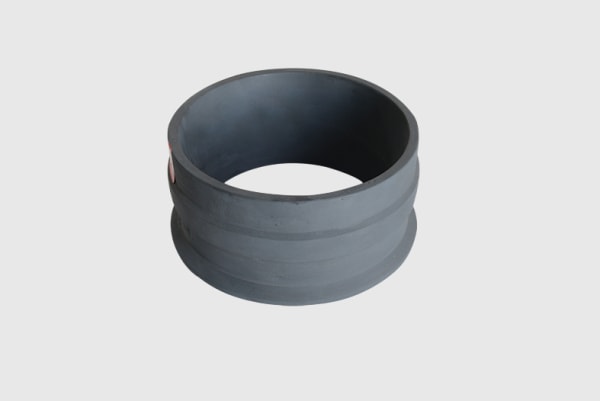
While CNC machining underpins geometric accuracy, silicon carbide elevates durability for harsh-service components. Sicarbtech’s R-SiC, SSiC, RBSiC, and SiSiC options enable tailored trade-offs. SSiC delivers high density and strength suitable for mechanical seals and bushings. RBSiC provides complex shapes with excellent wear resistance at comparatively lower weight. SiSiC’s infiltration pathways create exceptional hardness for abrasive environments. By combining precision-machined metallic structures with SiC wear interfaces, South African operators can achieve step-change improvements in MTBF without overhauling entire assemblies.
Detailed comparison: material choices for CNC parts in mining, steel, and automotive
| Material performance in typical SA duty cycles | Carbon steel (e.g., 1045) | Stainless steel (e.g., 316/304) | Tool steel (e.g., D2) | Aluminum (e.g., 6061-T6) | Silicon carbide (SSiC/RBSiC/SiSiC) |
|---|---|---|---|---|---|
| Wear resistance (abrasive slurry/scale) | Moderate | Moderate | High | Low | Very high |
| Corrosion resistance (humid, chemical) | Low–moderate | High | Moderate | Moderate | Very high (chemically inert) |
| Temperature stability | Moderate | High | High | Low–moderate | Very high |
| Achievable surface finish for seals | Good | Very good | Very good | Good | Excellent (as-lapped/ground) |
| Weight considerations | Standard | Standard | Standard | Light | Light inserts in hybrid assemblies |
| Cost per lifecycle hour | Moderate–high | Moderate | Moderate–high | Low | Low when used as targeted wear surface |
Precision CNC turning and milling capabilities aligned to South African requirements
Sicarbtech’s process windows are defined for tight tolerances commonly requested by local OEMs. Shafts and bearing bores can be held within ±0.01 mm depending on geometry and datum strategy, while flatness and parallelism targets are validated via CMM with GR&R studies for critical gauges. Surface roughness down to Ra 0.4 μm is achievable on sealing interfaces, with lapping and grinding when necessary. Heat treatment coordination, protective coatings, and passivation are integrated to meet corrosion and fatigue-life objectives, and packaging is engineered to protect finish-critical surfaces during long-haul transport from China to South African hubs such as Durban and Ngqura.
Furthermore, CAD/CAM toolchain integration ensures change control. When an engineering change arises, the digital thread updates process sheets, tool lists, and inspection plans, limiting the risk of mixed revisions in inventory. For distributors, Sicarbtech can barcode kits, assign QR-coded traceability, and prepare ATP documentation that aligns with local warehouse practices.
Custom manufacturing and technology transfer services: Sicarbtech’s turnkey advantage
Sicarbtech’s value extends beyond build-to-print machining. The company offers comprehensive custom manufacturing and technology transfer packages designed for South African customers seeking to localize or scale reliable precision production.
The foundation is advanced R&D backed by the Chinese Academy of Sciences (Weifang) Innovation Park. This partnership strengthens process modeling, toolpath optimization, and materials characterization, ensuring that each part program is anchored in predictive capability rather than trial-and-error. Proprietary manufacturing processes for R-SiC, SSiC, RBSiC, and SiSiC grades enable hybrid solutions where ceramic wear surfaces are co-engineered with metallic bodies, achieving superior life without overcomplicating assembly.
Technology transfer packages are complete and pragmatic. Process know-how is documented from first principles through to SOP, including fixture concepts, cutting parameter matrices, in-process gauging routines, and scrap/rework decision trees. Equipment specifications are tailored to the desired throughput and part family mix — for instance, recommending live-tool lathes for shaft families or five-axis verticals for prismatic geometries with compound angles. Training programs cover operator certification, metrology best practices, and maintenance routines that sustain capability over the long term.
Factory establishment services run from feasibility studies and business case modeling through to line layout, commissioning, and early-run support. Quality control systems are deployed to match target certifications, whether ISO 9001 for general industry or IATF 16949 for automotive. Sicarbtech also provides certification support, helping customers prepare for audits with documented procedures, calibration records, and layered process audits. After go-live, ongoing technical support closes the loop with periodic process optimization, tooling life analysis, and cost-down initiatives, ensuring that localized production remains competitive as volumes and part mixes evolve.
Customers benefit from a turnkey approach that competitors often cannot match: integrated material science expertise, proven CNC process windows, and a transfer framework that accelerates localization without sacrificing quality or documentation integrity.
Practical case insights: quantifiable improvements achieved
In a joint program with a South African automotive Tier-2 supplier, Sicarbtech re-engineered a machined aluminum housing, introducing a revised datum structure and controlled boring strategy. Cp/Cpk improved from 1.1 to 1.67 on the primary diameter, while scrap reduced by 62% in the first quarter. For a steel mill component set, substituting a SiSiC wear ring into a machined steel carrier increased component life by a factor of 3.1, with payback achieved in fewer than two maintenance cycles. Such results underline a simple truth: precision and materials knowledge, executed together, outperform isolated optimizations.
“Capability is demonstrated in the data,” comments a quality lead referencing local supplier development programs and OEM audit criteria published through NAACAM’s knowledge base, emphasizing that consistent CMM evidence and GR&R scores aligned to South African buyer expectations will continue to separate preferred suppliers from the rest.
CNC machining versus additive and casting for 2025 procurement decisions
| Decision criteria for South African buyers | CNC machining (optimized) | Casting (machined finish) | Metal additive (DMLS/SLM) |
|---|---|---|---|
| Best fit components | Precision features, tight tolerances, sealing surfaces | Larger geometries, cost-effective volumes | Complex internal channels, rapid design loops |
| Typical tolerance band | ±0.005–0.02 mm | ±0.1–0.5 mm pre-machining | ±0.05–0.2 mm post-processing |
| Lead time for engineering changes | Short with CAM updates | Medium; new tooling patterns required | Short; build file updates, post-processing |
| Unit cost at low volumes | Competitive | Higher due to tooling amortization | Higher due to machine/ powder costs |
| Surface finish readiness for seals | Excellent with grinding/lapping | Requires post-machining | Requires machining/polishing |
| Regulatory and documentation ease | Strong with PPAP/FAIR | Moderate; tooling control needed | Emerging; qualification complexity |
Future market opportunities and 2025+ trends shaping precision machining in South Africa
Looking beyond immediate projects, several forces are shaping demand. Automotive electrification and the localization push under the South African Automotive Masterplan are raising expectations for dimensional control and documentation. Evolving mining strategies, where fleet uptime and predictive maintenance reduce total cost per ton, favor precision components that maintain geometry longer, thereby stabilizing telemetry and condition-based maintenance models. In steel, downstream value-added processing will reward tooling and guide elements that hold tolerance at speed and temperature, elevating throughput yield.
Digital manufacturing maturity is another theme. Buyers are asking for digital twins, revision-controlled models, and SPC dashboards that interface with their MES/ERP stacks. Sicarbtech’s digital-first workflows — from CAM to inspection reporting — fit this trajectory, while the company’s technology transfer capabilities help South African partners stand up similar capabilities locally. Currency volatility and logistics lead times continue to make dual-sourcing attractive; therefore, partners who can supply export-ready parts today and stand up local production tomorrow will earn long-term positions on AVL lists.
Sustainability, often framed as energy and material efficiency, will gain traction as ESG reporting deepens. Precision machining supports this through fewer reworks, longer-lasting parts, and optimized cutting strategies that reduce tool consumption. Moreover, hybrid designs that use silicon carbide only where it adds life can reduce mass and material usage across the product lifecycle, a tangible contribution to sustainability without compromising performance.
Frequently Asked Questions
What tolerances can Sicarbtech realistically hold for critical CNC features?
For most shaft and bore geometries, ±0.01 mm is achievable with the right datum strategy, fixturing, and toolpath control. Flatness and parallelism targets are validated on CMM with GR&R backing, and sealing surfaces can reach Ra 0.4–1.6 μm depending on material and finishing.
How does Sicarbtech support South African compliance and audits?
Documentation is structured for ISO 9001 and IATF 16949 environments. Customers receive ballooned drawings, FAIRs, capability studies, and material certificates. Where applicable, SABS/NRCS documentation and technical files are prepared to streamline inspections and customs.
Can Sicarbtech handle low-volume, high-mix orders typical of maintenance shutdowns?
Yes. Production planning accommodates small batches with coordinated kits for shutdowns, supported by barcoded traceability and rapid changeovers. This is particularly helpful for mining and steel maintenance campaigns.
What materials are supported, and when is silicon carbide recommended?
Carbon and alloy steels, stainless steels, tool steels, and aluminum are standard. Silicon carbide (R-SiC, SSiC, RBSiC, SiSiC) is recommended for wear-critical or high-temperature interfaces, often as inserts or liners integrated into machined metal bodies.
How are logistics managed for deliveries into South Africa?
Sicarbtech coordinates sea and air freight to major ports and logistics hubs, with packaging designed to protect precision surfaces. Export documentation, CoCs, and inspection reports are standardized to expedite clearance and acceptance.
Does Sicarbtech offer technology transfer for local production in South Africa?
Yes. Complete technology transfer includes process know-how, equipment specifications, training programs, QC systems, and commissioning support. The goal is to help local partners achieve stable capability quickly.
What about load-shedding risks and scheduling?
Production is planned with buffers and shipment phasing to align with customer outage windows. Digital scheduling and proactive communication reduce the impact of power variability on delivery dates.
How does pricing remain competitive with currency volatility?
Sicarbtech offers pricing strategies that account for exchange rate movements and can structure releases to mitigate risk. Lifecycle cost reductions from improved durability and lower scrap often offset unit price differences.
Are PPAP and automotive-grade documentation available?
Yes. PPAP levels, control plans, MSA, and SPC reporting are available for automotive programs, aligned to OEM requirements and audit expectations.
Can Sicarbtech assist with design for manufacturability?
Absolutely. Early DFM reviews help align tolerance stacks, datum schemes, and surface finish targets with cost and performance goals, reducing iterations and time-to-approval.
Making the right choice for your operations
When selecting a CNC machining partner, think beyond the part and toward the lifecycle. Precision that holds in the field reduces downtime, stabilizes your maintenance budget, and smooths audits and export cycles. Sicarbtech’s combined strengths in CNC machining, materials science, and documentation excellence translate into reliable parts and predictable outcomes. The company’s readiness to transfer technology and stand up local capability sets it apart in a market increasingly defined by resilience and localization.
Get expert consultation and custom solutions
To discuss custom CNC machining services, hybrid metal–silicon carbide designs, or technology transfer for local production, contact the Sicarbtech engineering team. Share your drawings, tolerance priorities, and duty cycle data to receive a practical, outcomes-based proposal with clear lead times and documentation deliverables.
Sicarbtech — Silicon Carbide Solutions Expert
Located in Weifang City, China’s silicon carbide manufacturing hub
Member of Chinese Academy of Sciences (Weifang) Innovation Park
10+ years of silicon carbide customization experience
Supporting 19+ local enterprises with advanced SiC technology
Full-cycle solutions from material processing to finished products
Specializing in R-SiC, SSiC, RBSiC, SiSiC grade products
Services: custom manufacturing, factory establishment, technology transfer
Contact: [email protected] | +86 133 6536 0038
Article metadata
Last updated: 2025-12-25
Next update scheduled: 2026-03-25
Content freshness indicators: 2025 market data references, updated compliance guidance for South African audits, expanded CNC–SiC hybrid application notes, and revised logistics best practices for Durban/Ngqura shipping lanes.

About the Author – Mr.Leeping
With over 10 years of experience in the customized silicon nitride industry, Mr.Leeping has contributed to 100+ domestic and international projects, including silicon carbide product customization, turnkey factory solutions, training programs, and equipment design. Having authored more than 600 industry-focused articles, Mr.Leeping brings deep expertise and insights to the field.

Customizable
successful cases

Related Post
-
South Africa’s Export Fumigation and Packing Compliance
Executive summary: Navigating 2025 export compliance with silicon carbide durability, precision, and traceability South African manufacturers and exporters are entering 2025 under sharper scrutiny from global buyers and port authorities. ISPM 15 heat treatment for wood packaging, phytosanitary compliance for agricultural shipments, and tight labeling/documentation rules are now inseparable from on-time delivery and cost control….
-

Reducing Fuel Consumption with Advanced Combustion Air Preheaters
Executive summary: why silicon carbide air preheaters matter for South Africa’s 2025 energy reality South Africa enters 2025 with a dual imperative: secure affordable energy amid grid instability and advance emissions reductions without compromising industrial output. Mining smelters, steel reheat and annealing lines, and automotive paint curing and heat treatment furnaces are all energy-intensive, gas-…
-
Complete Guide to IMDS Submission Support for South African Suppliers
Executive summary: 2025 outlook for IMDS compliance in South Africa’s automotive ecosystem As South Africa’s automotive value chain accelerates integration with global OEM platforms, IMDS (International Material Data System) compliance has shifted from a back-office task to a strategic capability. In 2025, tighter material reporting expectations from European and Asian OEMs, fast-moving substance regulations, and…